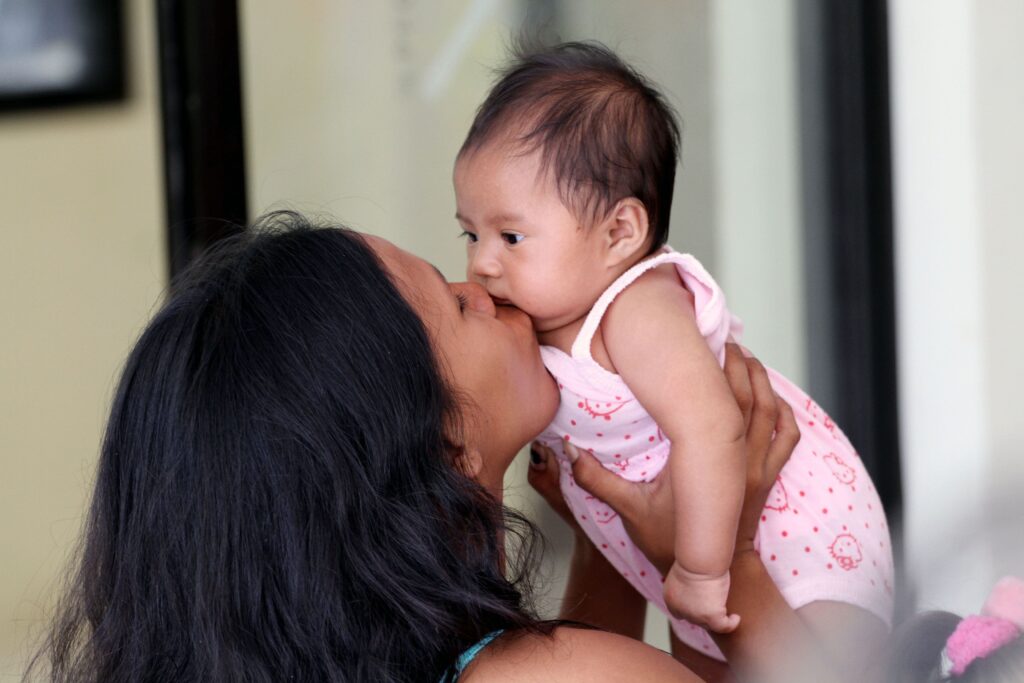
First 1000 days—the time from a mother’s pregnancy until her child’s second birthday is often called the “golden window of opportunity.” What happens in this short period shapes a child’s future health, learning, and well-being. But why is it so important? And how does RAFI’s SINAG program support families during this stage? Let’s explore the science behind it.
The Science of the First 1000 Days
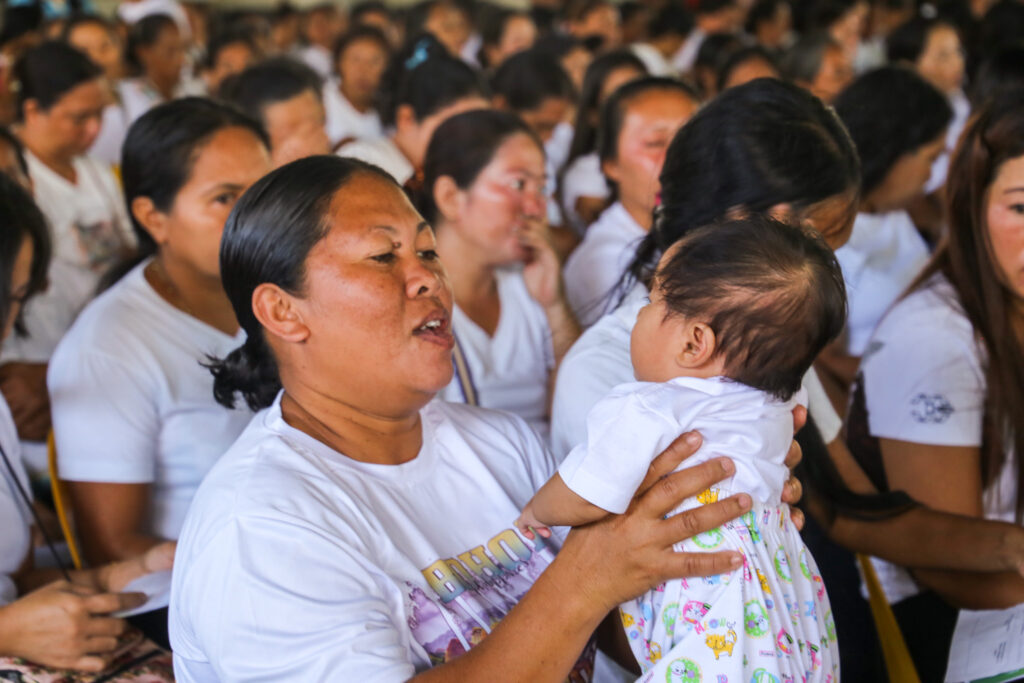
During pregnancy and the first two years of life, a child’s brain develops faster than at any other time. This is when:
- 90% of brain growth happens.
- Organs and immune systems are formed and strengthened.
- Nutrition and care directly affect physical and cognitive development.
Children thrive when mothers and children receive the right support, good maternal health, proper child nutrition, and responsive caregiving. But if neglected, the effects can be lifelong, leading to stunting, poor learning outcomes, and higher risks of illness.
Why Nutrition Plays a Key Role
Think of food as fuel for both the body and brain. Proper nutrition in the first 1000 days ensures that:
- Babies are born with a healthy weight.
- Children avoid stunting and have stronger immunity.
- The brain has the nutrients needed for learning and memory.
On the other hand, malnutrition during this stage cannot be fully corrected later in life. That’s why maternal health and child nutrition are inseparable parts of this journey.
Building a Strong Foundation for the Future
Investing in the first 1000 days is not just about health, it’s about building stronger communities:
- Better school readiness: Well-nourished children perform better in school.
- Healthier adults: Proper care reduces the risks of chronic diseases later in life.
- Economic benefits: Each peso invested in early development returns many times over through healthier, more productive individuals.
When we nurture mothers and young children today, we prepare tomorrow’s leaders, workers, and citizens.
How Communities Can Make a Difference

Every family’s journey looks different, but communities play a big role in supporting parents and caregivers. Shared action strengthens outcomes from providing access to prenatal care, educating parents on proper feeding practices, and creating safe spaces for mothers and babies.
Simple steps matter:
- Encouraging breastfeeding.
- Ensuring access to clean water and safe food.
- Offering parent support groups and health checkups.
Sidebar: RAFI’s SINAG Program
The Ramon Aboitiz Foundation, Inc. (RAFI)’s early childhood care and development program, SINAG, or Sustainable Interventions in Nutrition and Growth champions maternal and early childhood care and development. Part of its thrust is advocating for the power of the first 1000 days. It works with local communities to empower parents and caregivers with knowledge and resources on nutrition, healthcare access, and early childhood care, so every child has the chance to grow healthy, smart, and strong.
Frequently Asked Questions (FAQs)
What does “first 1000 days” mean?
Why is nutrition so important during this stage?
Can malnutrition in the first 1000 days be reversed later on?
How does maternal health affect the baby?
What foods are important during this stage?
What role does breastfeeding play?
How can fathers support during the first 1000 days?
What community services support this stage?
How does SINAG support families?
How can I support the first 1000 days movement?
Conclusion
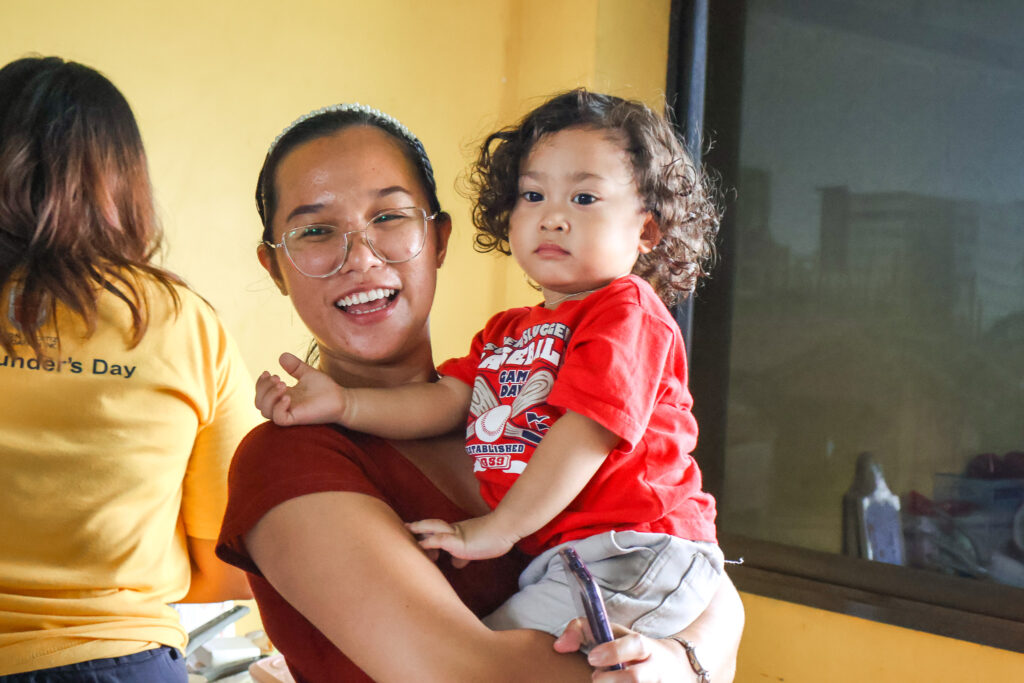
The first 1000 days matter more than we often realize. They hold the key to a child’s future potential and, by extension, the future of our communities. With the right care, nutrition, and support, every child can have the foundation to grow into a healthy, capable adult.
🌱 Take action today. Whether you’re a parent, community member, or partner, your support during the first 1000 days can change a child’s life forever. Together, let’s ensure every child has the chance to grow strong, healthy, and ready for the future.