Beyond Tree Planting: How Community Partnerships Help Grow and Sustain Forests
Growing trees takes more than planting seedlings. It takes communities, sustained partnerships, and a shared commitment to protecting the environment for generations to come.
Tree-growing initiatives are often measured by the number of seedlings planted. But the work does not end when a seedling is placed in the ground. Trees need continued care, communities need support, and environmental programs need people who are willing to sustain the work over time.
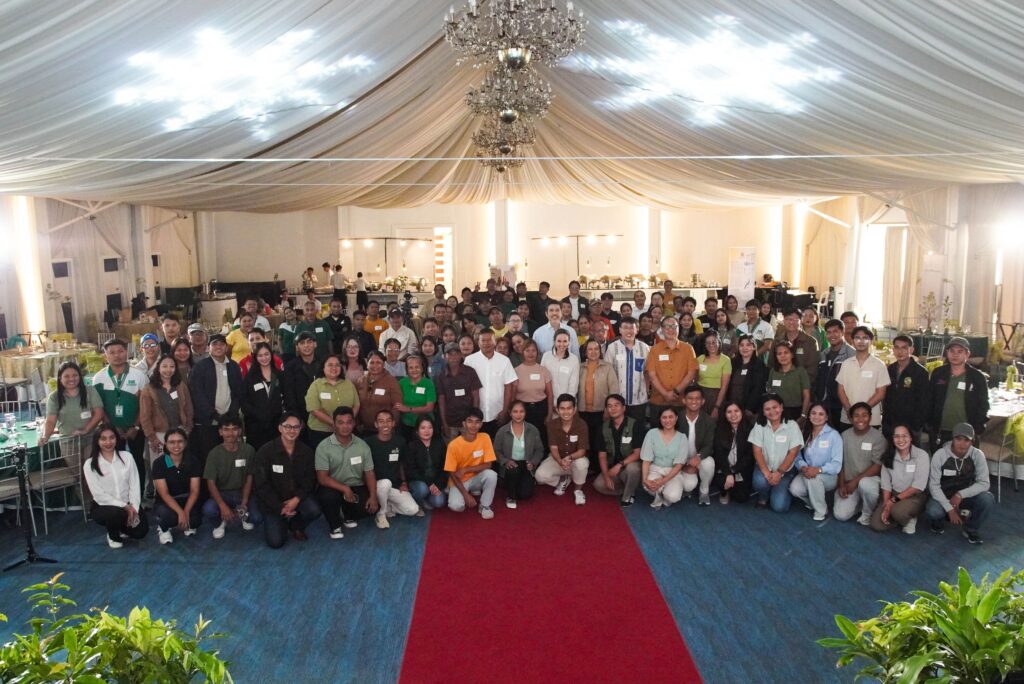
This was among the key messages of the 4th Ka-Treebu Assembly, organized by the Ramon Aboitiz Foundation, Inc. (RAFI) through its environmental arm, One to Tree (RAFI OTT), on October 28, 2026, at PonteFino Hotel in Batangas City.
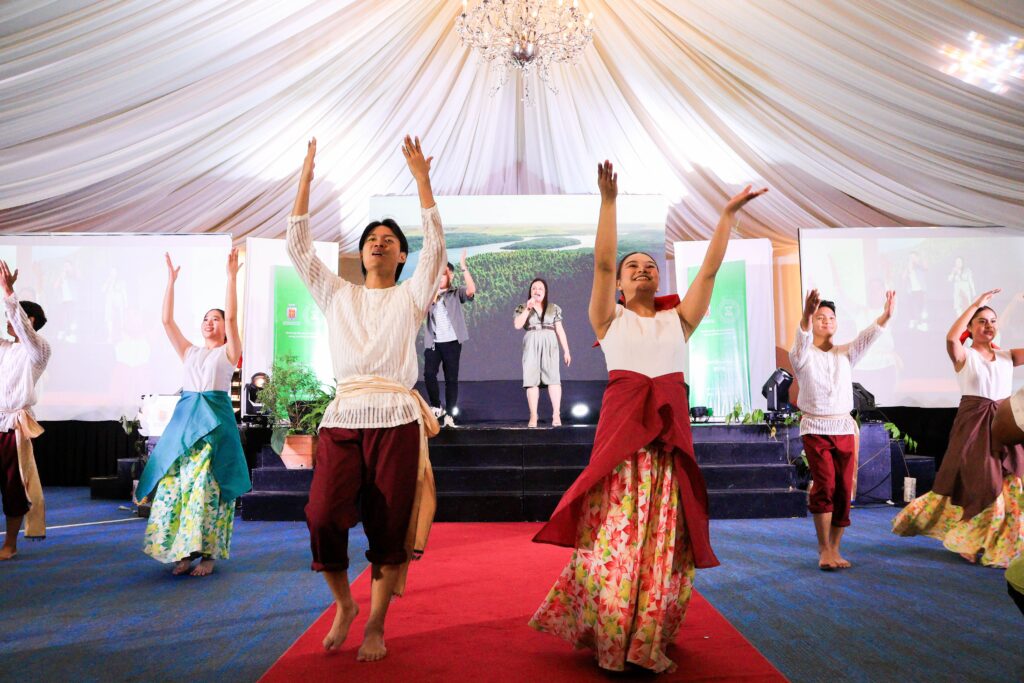
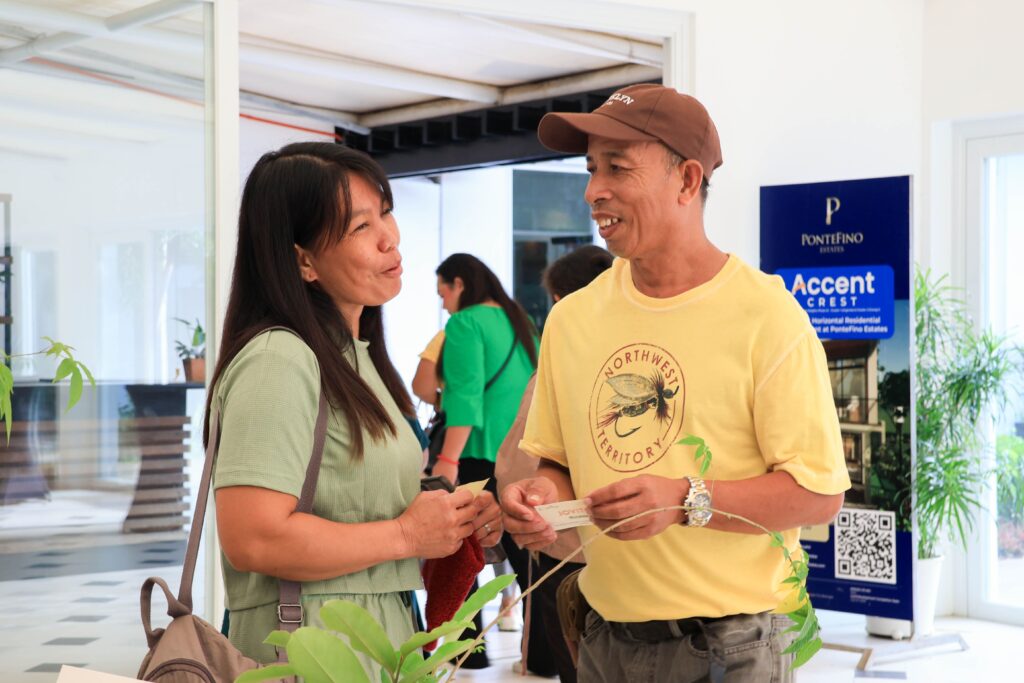
Anchored on the theme “Past Forward: Pagpayabong,” the gathering brought together representatives from people’s organizations, government agencies, local government units, corporate partners, implementing organizations, and the youth sector to share experiences and strengthen collaboration around sustainable tree-growing initiatives.
Growing trees starts with growing trust
In her welcome remarks, Estee Marie P. Plunket, RAFI Chief Communications and Partnerships Officer, emphasized that environmental work depends on the relationships built among those involved.
“It’s not about growing trees; it’s growing trust,” she shared.
The message reflects an important part of community-based environmental work: lasting results depend on more than resources or technical interventions. They also require trust between communities and partners, shared responsibilities, and the institutional support to keep initiatives going.
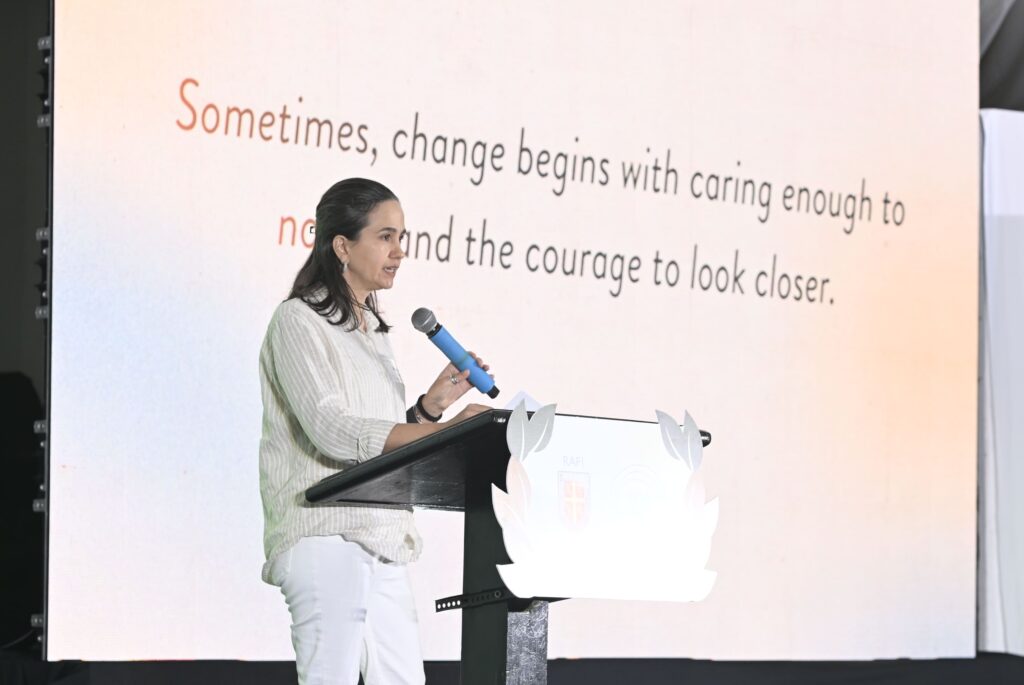
During the “Ka-Treebu Istorya”, RAFI President and CEO Amaya Cristina A. Fansler traced the beginnings of the Foundation’s environmental advocacy to her mother, Mrs. Marian Aboitiz, whose concern for endemic trees inspired the initiative. What began as a simple idea grew through the support of people and partners who shared a commitment to restoring and protecting the environment.
Why community participation matters in tree growing
Environmental initiatives face challenges that can affect their long-term sustainability. During the Ka-Treebu Talks, partners shared experiences involving limited resources and manpower, natural disasters, and the need to maintain environmental programs beyond their initial implementation.
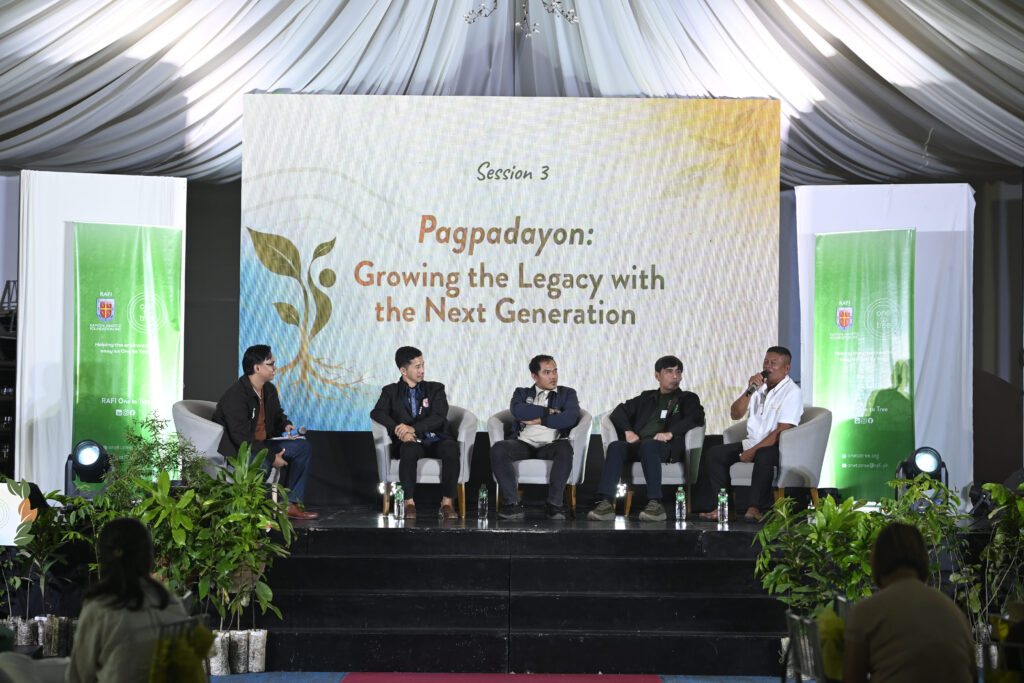
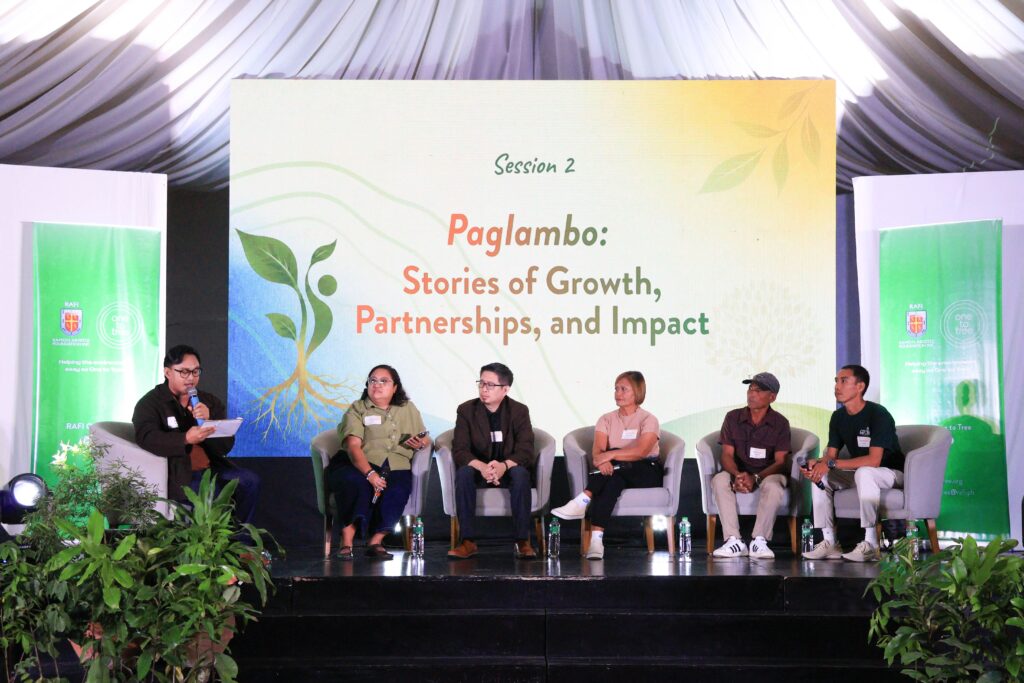
Facilitated by Mark Joey Bautista, Senior Supervisor of RAFI’s Community Development Group – People’s Organization Development Team, the discussions brought together perspectives from people’s organizations, government, academe, corporate institutions, and environmental groups.
Partners also highlighted how collaboration can help address these challenges through training, shared resources, stronger community participation, and opportunities for young people to take part in environmental work.
Michael A. Miscala of the Victoria Community-based Resource Management Association (VCBRMA) underscored the responsibility that comes with protecting the environment, saying, “We have a large responsibility for the environment and we have given a large impact.”
The discussions reinforced that communities are not simply recipients of environmental programs. They are essential partners in caring for the places and natural resources they depend on.
Small environmental initiatives can grow into lasting impact
The assembly also featured examples of how local action can contribute to broader environmental goals.
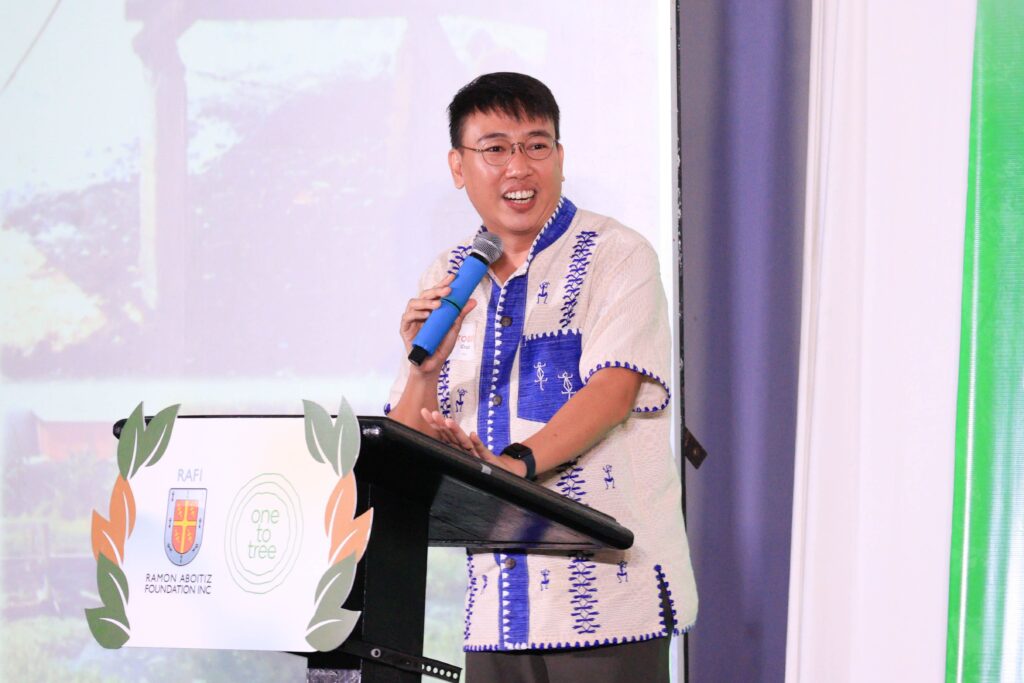
In his keynote address, Hon. John Tobit E. Cruz, Municipal Councilor of Tagaytay and environmental youth advocate, shared the Maningning Project, an initiative focused on cleaning and restoring the Maningning River. Guided by the principle “Dream Big. Start Small. Scale Up,” the project demonstrated how community-led efforts can develop through collaboration and sustained participation.
Rene “Tatay Eti” Vendiola, owner of Liptong Woodland, meanwhile, highlighted the importance of protecting native and critically endangered endemic trees. Together, these experiences showed that environmental work takes different forms, from restoring waterways and protecting native species to nurturing trees and building community stewardship. Each effort contributes to a larger responsibility to care for local ecosystem.
Planting hope for the next generation
For communities involved in mangrove conservation, the work carries significance beyond the present.
Maria Jocelyn C. Boongaling, Board Director of Samahan ng Maliliit na Mangingisda sa Pangangalaga ng Kalikasan sa Brgy. Lagadlarin (SMMPKBL), hopes that the resilience and commitment of earlier generations will continue to guide those who come next in protecting their mangrove forests.

“As we have seen the resilience of the previous generation, I hope the next generation will continue caring for our mangrove forests and keeping them healthy. As they say, we may come from different places, but we breathe the same air. When you plant a mangrove tree, you do more than plant a seed. You plant hope and provide fresh air for the generations to come,” she shared.
Her message captures the longer view of environmental stewardship. A tree planted today can provide benefits that extend well beyond the people who planted it, making the involvement of future generations essential to sustaining the work.
Building a network for sustainable tree growing
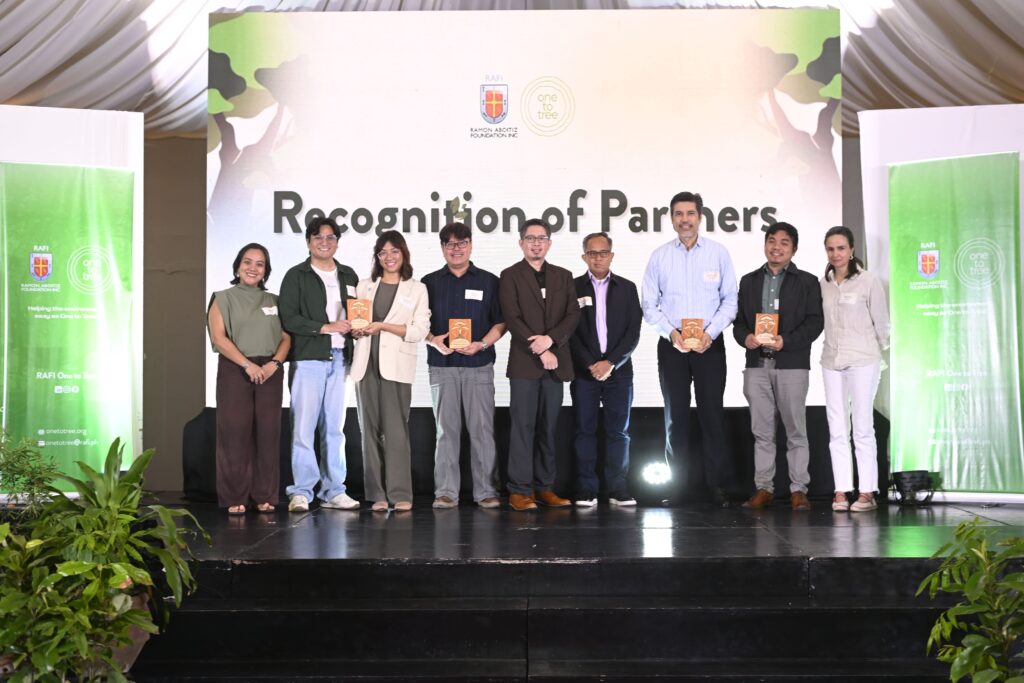
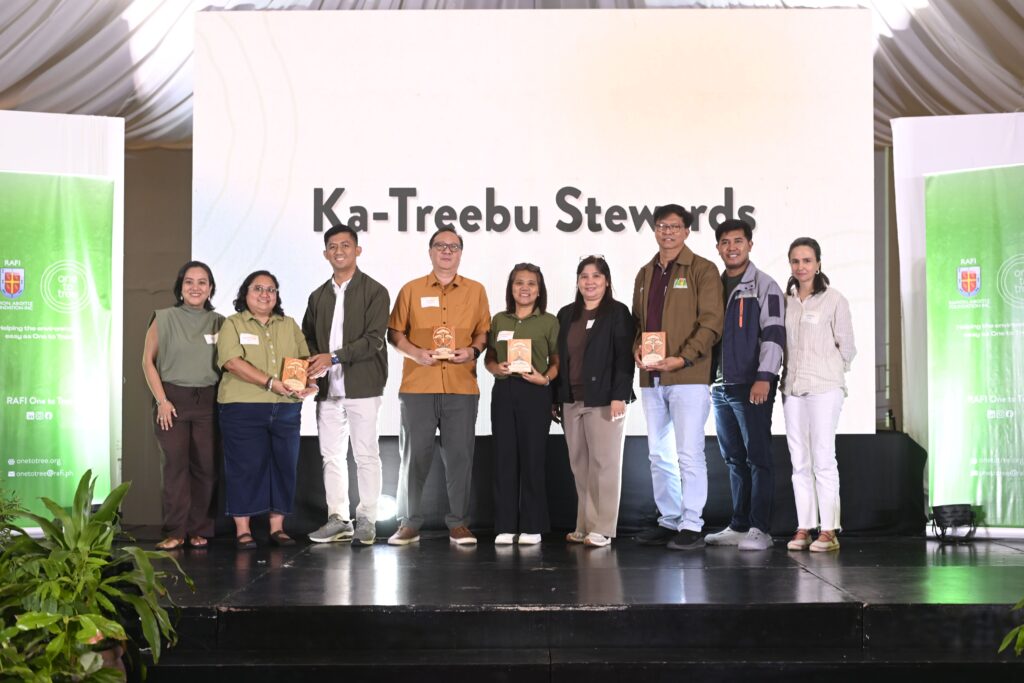
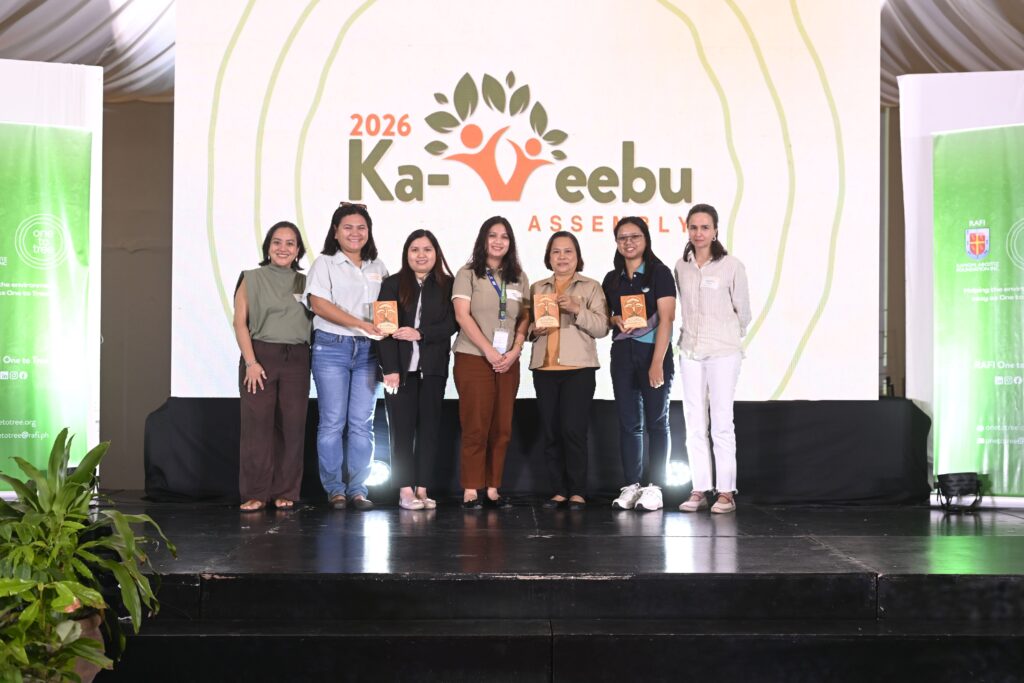
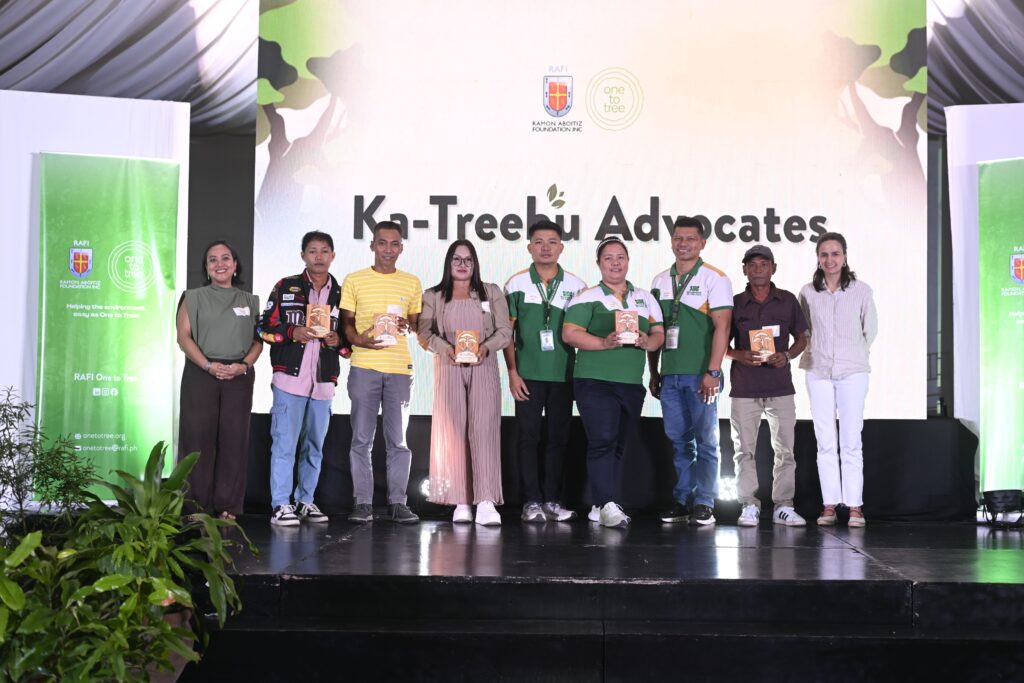
To recognize the contributions of its partners, RAFI OTT conferred the Ka-Treebu Advocates recognition on people’s organizations, Ka-Treebu Stewards on local government units, and Ka-Treebu Collaborators on corporate partners.
Through the annual Ka-Treebu Assembly, RAFI One to Tree continues to bring together organizations and communities working toward a common environmental goal. The gathering strengthens a network – our KaTreebu, where partners can exchange knowledge, learn from one another, and build on their respective initiatives.
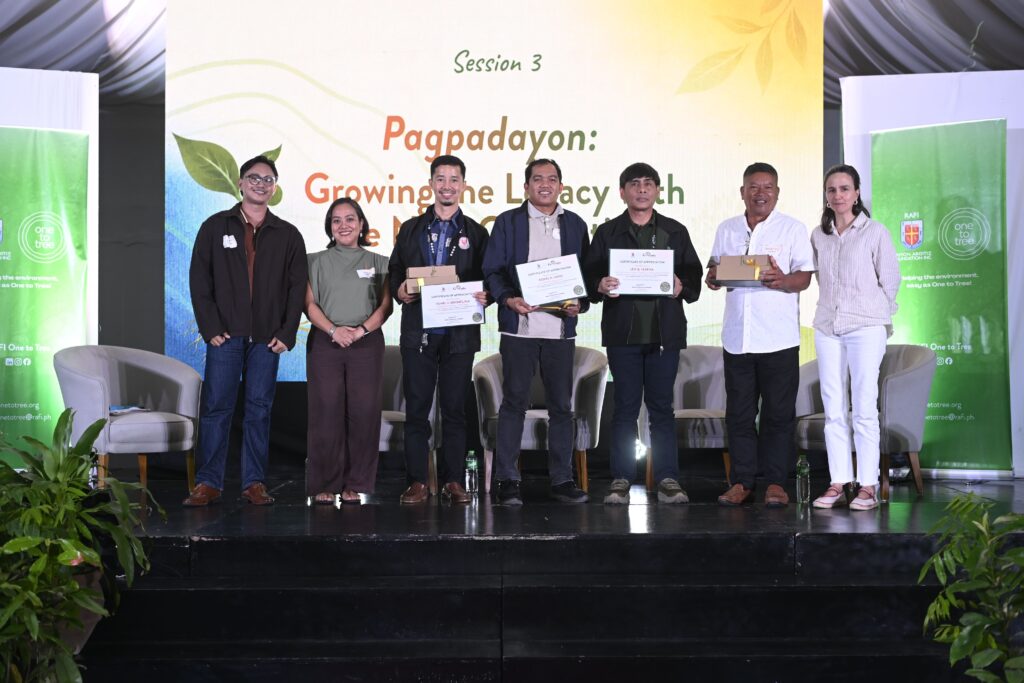
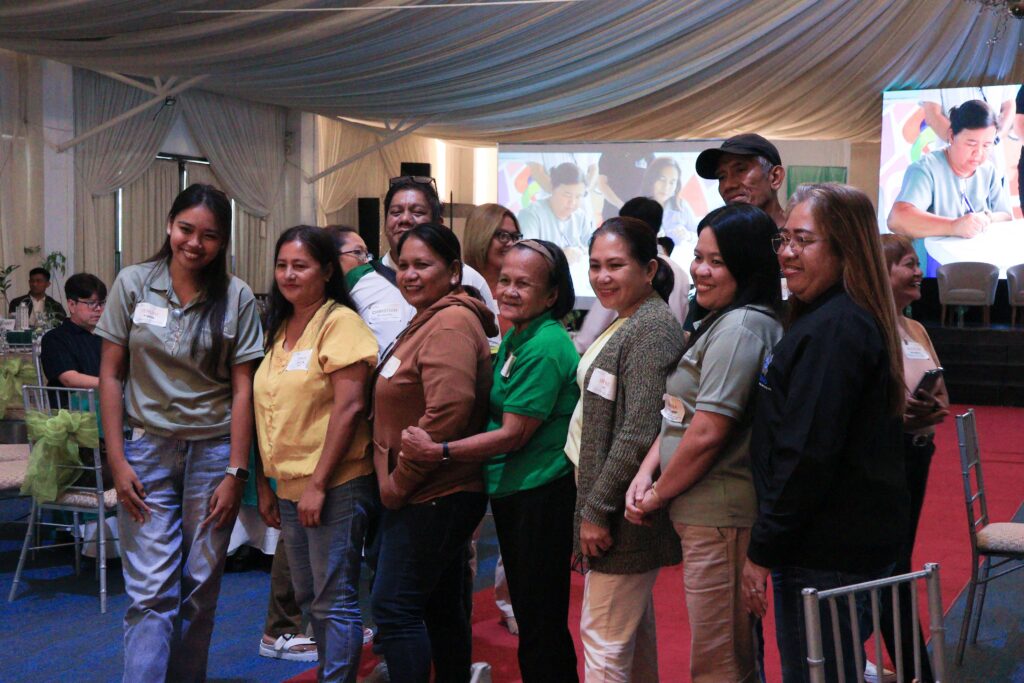
Ultimately, sustainable tree growing is not defined by how many trees are planted in a day. It is measured by the commitment to care for them, the communities empowered to protect them, and the partnerships that keep the work moving forward.
Because when people grow together, the roots of environmental stewardship can reach far beyond one generation.