Universal healthcare in the Philippines represents a promise that every Filipino, regardless of income or location, deserves access to quality and affordable healthcare services. When the Universal Health Care (UHC) Act was signed into law, it marked a milestone in the country’s journey toward inclusive health for all. Yet, turning this national vision into tangible results within local communities requires more than legislation. It demands collaboration, coordination, and genuine commitment on the ground.
That’s where the Ramon Aboitiz Foundation Inc. (RAFI) hopes to contribute. By working hand in hand with local government units (LGUs), RAFI helps bridge the gap between national goals and local realities. Through strong partnerships, community programs, and continuous capacity building, RAFI ensures that universal healthcare in the Philippines becomes not just a policy on paper but a lived experience for Cebuano families.
Strengthening Local Healthcare Systems
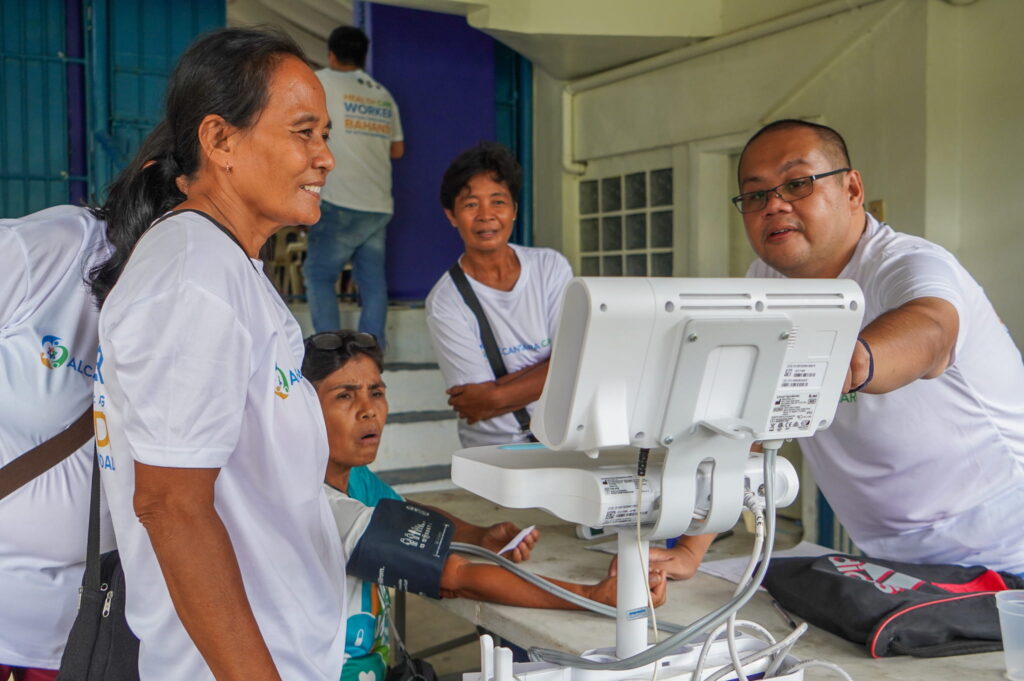
Universal healthcare in the Philippines thrives when local systems are strong. RAFI supports LGUs by strengthening healthcare workers’ capacity, expanding access to essential training, encouraging communities to prioritize well-equipped health centers, and fostering health-seeking behaviors among community members.
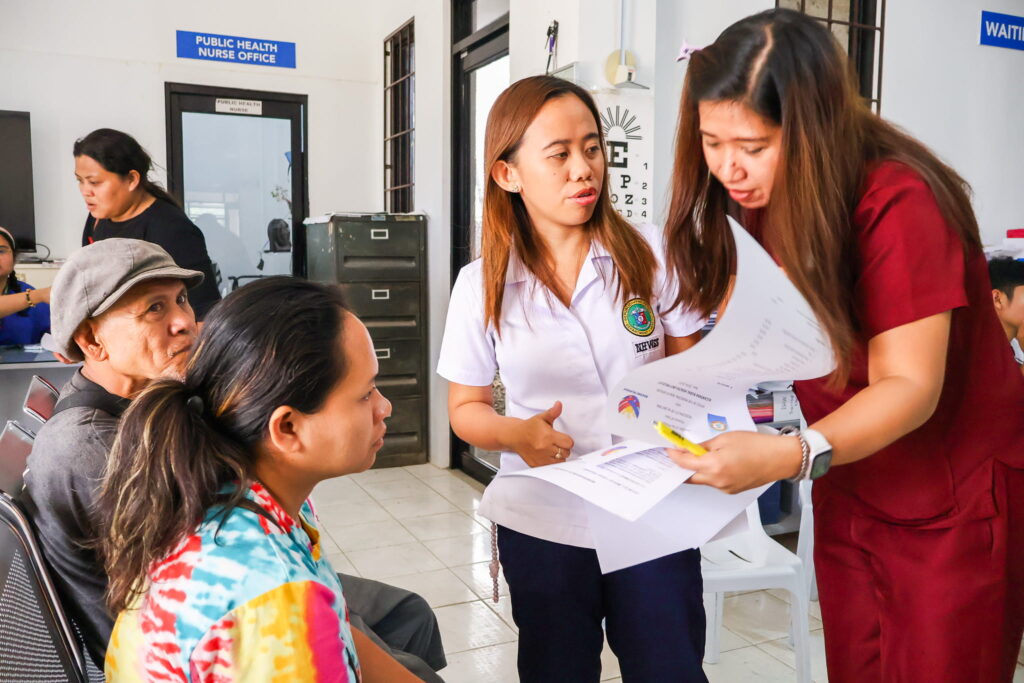
For instance, RAFI’s health initiatives empower rural health units to operate more efficiently through equipment support, data management training, and partnerships with national government agencies and local hospitals. These efforts don’t just enhance services—they save lives.
Bridging Access Through LGU Partnerships
In many rural areas, distance and lack of resources often stand between families and proper medical care. RAFI helps address these challenges by helping LGUs design inclusive health programs tailored to their community’s needs.
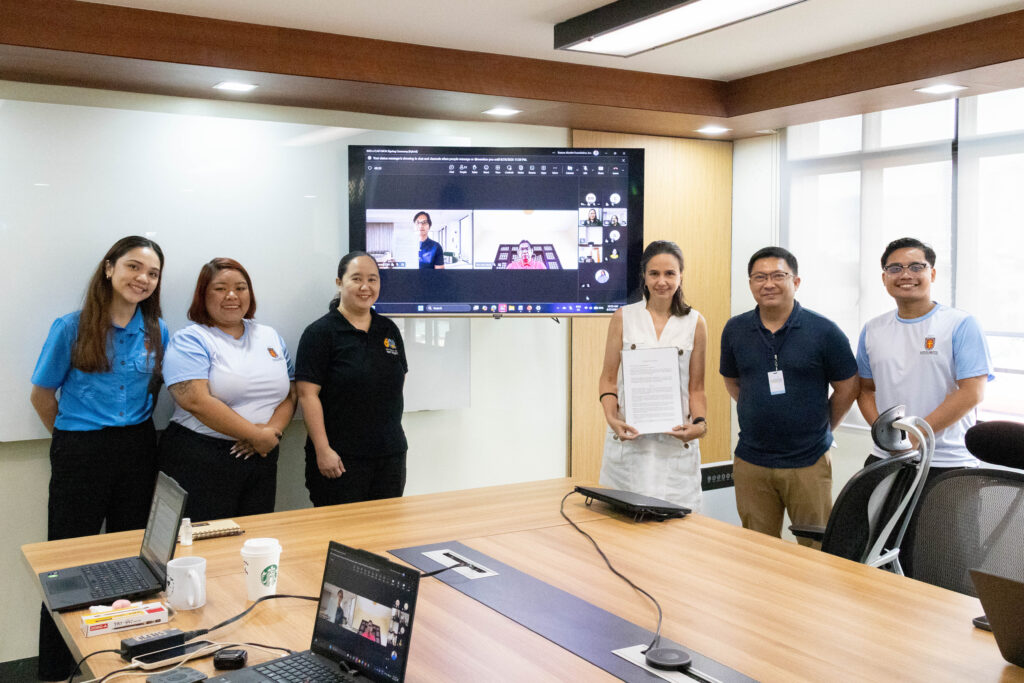
From maternal and child wellness programs to mobile health clinics, these collaborative efforts ensure that even the most remote barangays are not left behind. A notable example is RAFI’s partnership with the local government of Alcantara to launch the Alcantara CARES campaign, which focuses on strengthening information dissemination and improving access to the rural health unit’s services.
Alcantara, a coastal municipality in Cebu, faces pressing health challenges, including limited access to healthcare facilities, high mortality rates from preventable diseases, malnutrition, lack of potable water, and widespread health misconceptions in geographically isolated areas. These factors present the need for targeted interventions to improve Alcantara’s overall health scorecard.
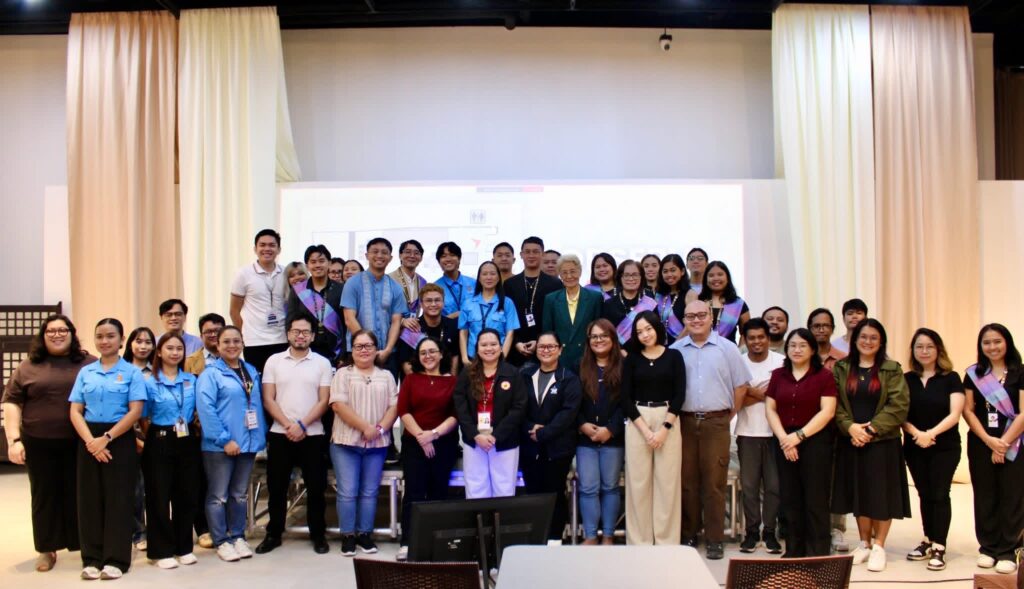
In response, Alcantara has embraced this challenge by partnering with RAFI to initiate the CARES campaign. The campaign’s launch was celebrated under the theme “Maayong Panglawas: Ang Bahandi sa Atong Komunidad,” highlighting the value of health as a precious community treasure and tying it to Alcantara’s pride in its annual Bahandi Festival.
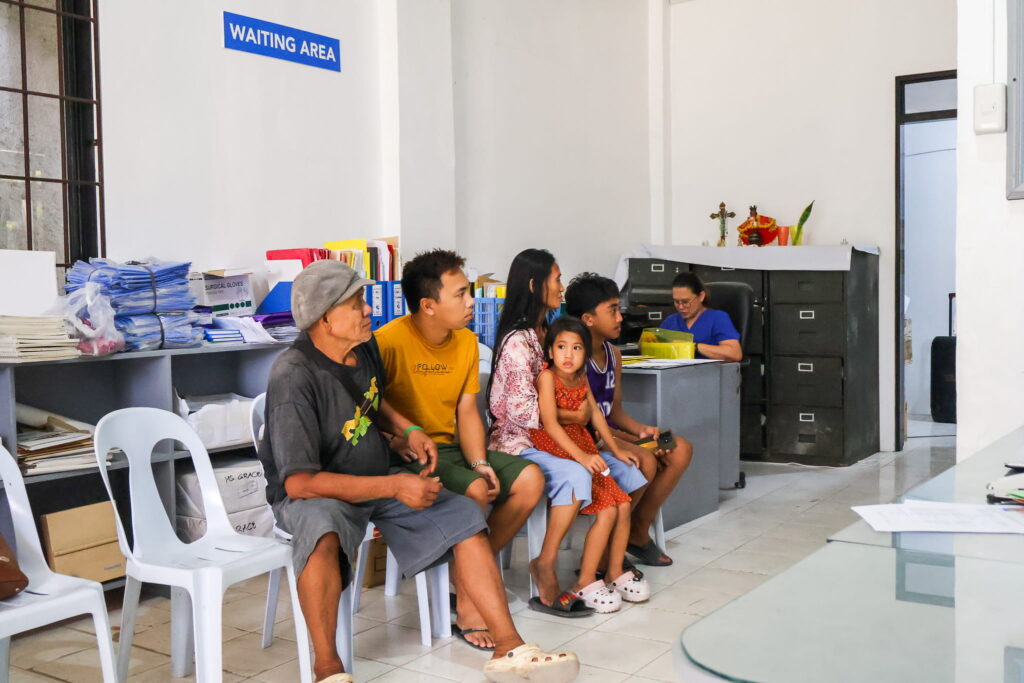
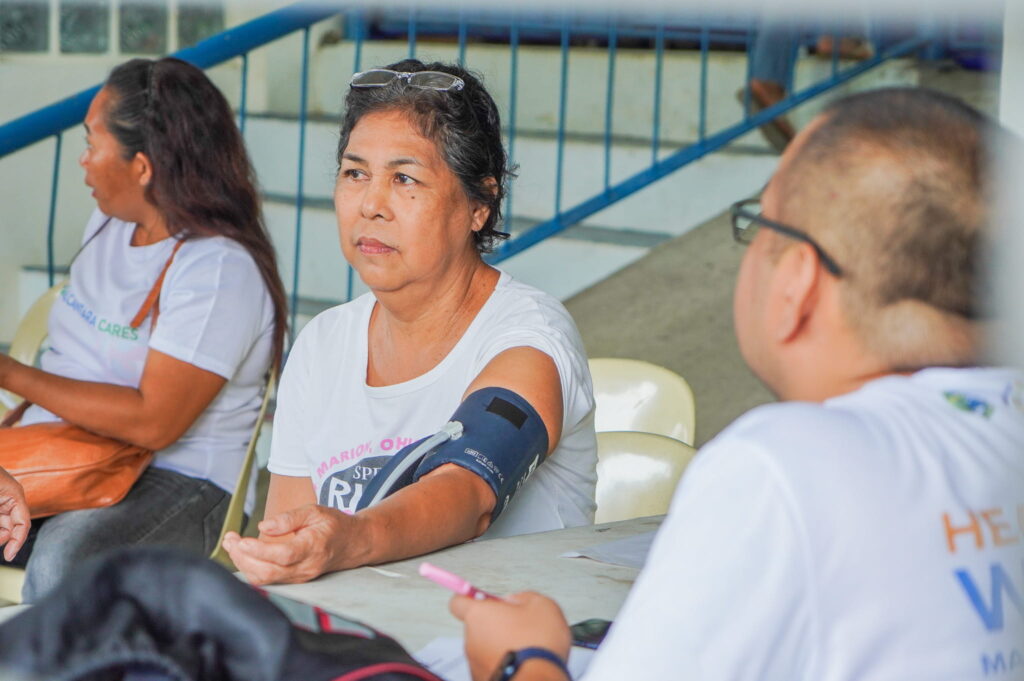
According to Letecia Garcia, a resident of Alcantara, the improvements have made a real difference:
“Check-ups at our rural health unit are now much better. We feel assisted and well taken care of. Before, we had to travel to Moalboal or even straight to the city for certain check-ups, but now our rural health unit is equipped with laboratory equipment, so we save time and spend less,” she shared.
Empowering Communities for Sustainable Health
Universal healthcare isn’t achieved overnight. It requires communities that are aware, informed, and involved. Through health education campaigns, RAFI encourages citizens to take an active role in their well-being, promoting preventive care, nutrition awareness, and early check-ups.
By cultivating a culture of shared responsibility, RAFI and its LGU partners help communities transition from reactive healthcare to proactive wellness. This means fewer emergencies, stronger families, and more sustainable systems overall.
The Role of Collaboration
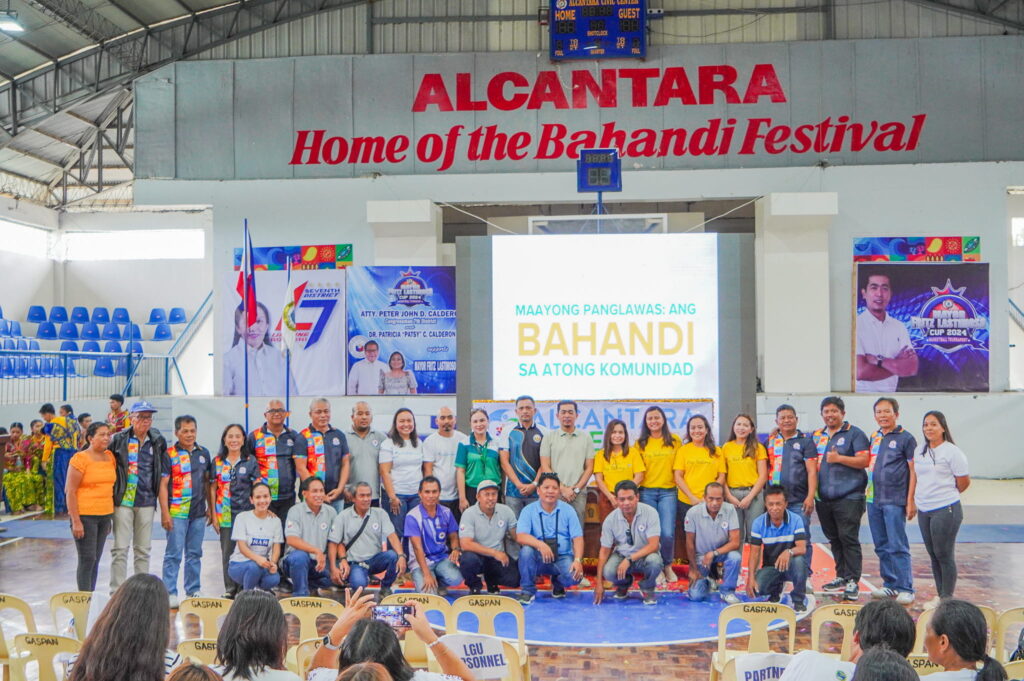
The success of universal healthcare in the Philippines depends on trust and partnership. RAFI’s role goes beyond providing aid, it builds networks among health offices, civil society groups, and volunteers. This collective effort transforms healthcare from a government project into a community movement.
Frequently Asked Questions
What is universal healthcare in the Philippines?
How does RAFI support LGUs in healthcare initiatives?
Why are LGUs vital in implementing universal healthcare?
What challenges affect healthcare access in rural Cebu?
How can communities help make healthcare sustainable?
How does RAFI’s health advocacy contribute to universal healthcare?
Does RAFI work with national agencies for healthcare projects?
How can I support RAFI’s health initiatives?
Conclusion
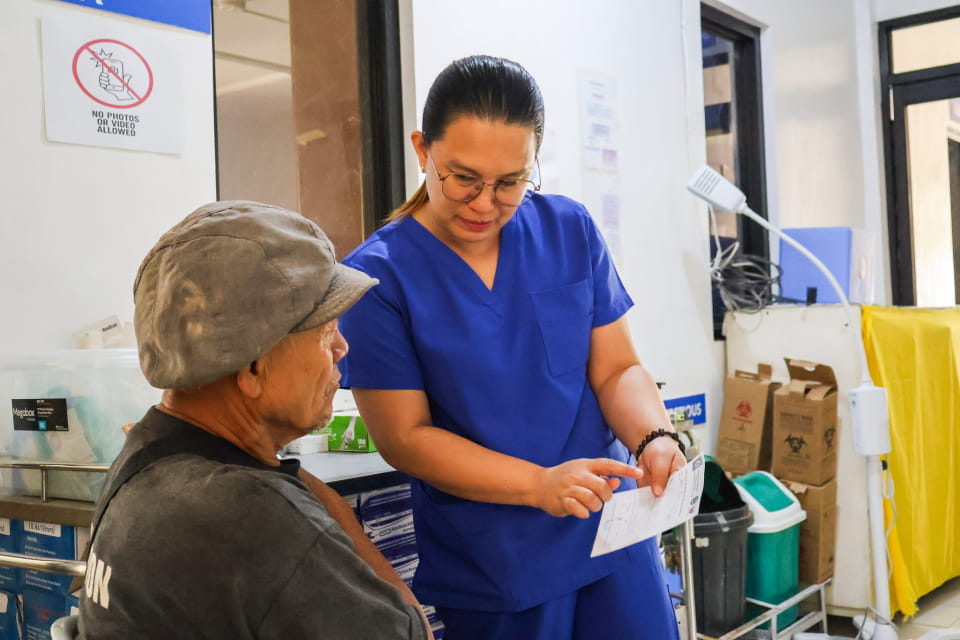
Making universal healthcare in the Philippines work takes more than laws and policies: it takes people. In Cebu, that mission is brought to life through the strong partnership between RAFI and LGUs. By investing in capacity building, health education, and community collaboration, RAFI helps local leaders turn healthcare goals into real and lasting change. These partnerships ensure that barangays are equipped, health workers are supported, and families can confidently access the care they need.
But beyond systems and structures lies the heart of universal healthcare – the people it serves. When local leaders, volunteers, and communities come together, they build more than just a network of clinics; they build trust, compassion, and hope. Through RAFI’s guidance and the dedication of LGUs, the vision of universal healthcare in the Philippines grows stronger every day, proving that health, at its core, is a shared responsibility and a collective triumph.
🌿Health is a shared journey. Join RAFI and its partners in making universal healthcare in the Philippines work for every Cebuano. Support local health programs, volunteer in community drives, or simply share awareness within your barangay. Together, we can build a healthier, more inclusive Philippines.