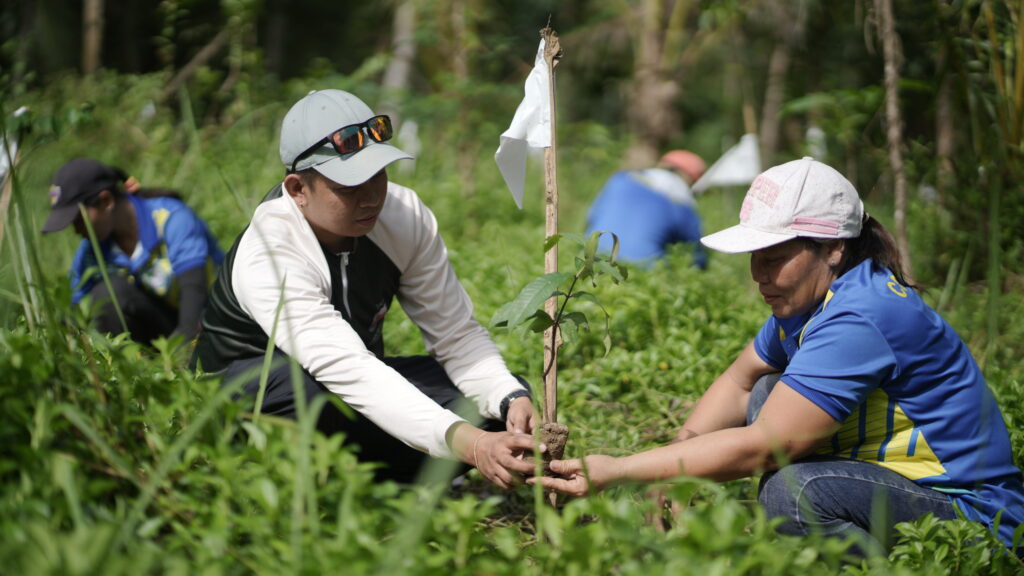
Reforestation is not simply about planting trees; it’s also about protecting people. In Cebu and across the Philippines, where floods, landslides, and typhoons are all too familiar, restoring our forests can mean the difference between devastation and resilience. Simply put, reforestation is one of the smartest ways we can prepare for disasters.
The Link Between Forests and Disaster Preparedness
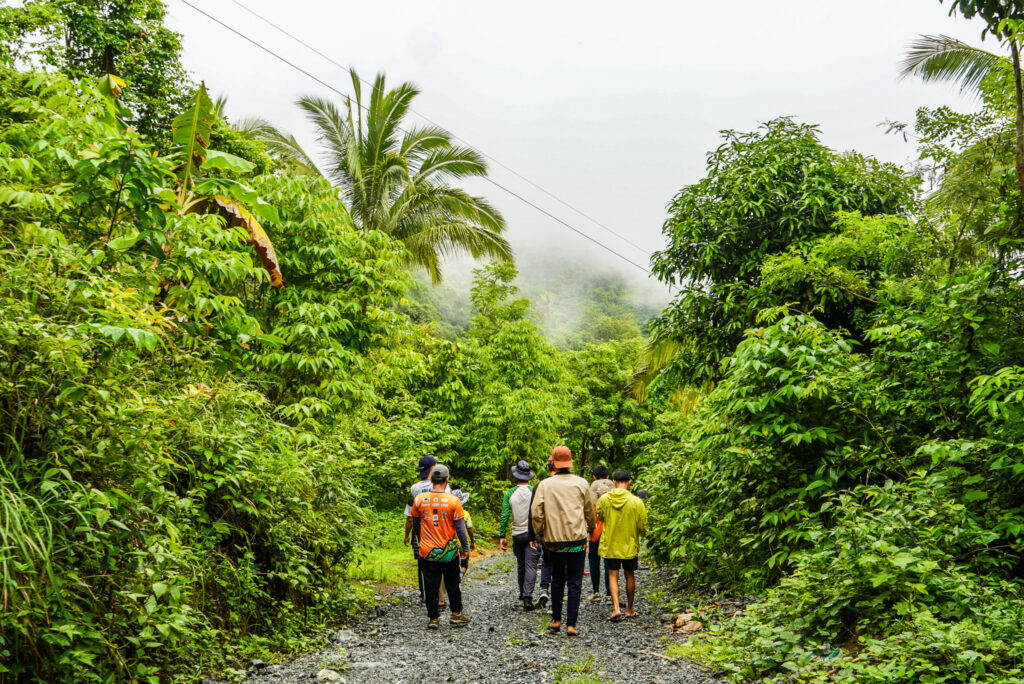
Think about a hillside during heavy rains. With trees in place, their roots grip the soil, keeping it from washing away. Rainfall is slowed by leaves and branches, which allows water to sink into the ground rather than stream downhill. Without trees, that same rain turns into torrents, carrying mud and debris that threaten entire communities.
Forests are nature’s disaster shield. In addition to making our landscapes greener, forests help us be better prepared for disasters.
Reforestation and Flood Control
If you’ve ever seen how quickly streets flood after a downpour, you’ll understand why trees matter. Forests act like giant sponges:
- Soaking up excess rainwater before it can overwhelm rivers and streams
- Releasing water slowly, reducing the risk of flash floods
- Calming the flow of runoff, protecting both urban and rural communities
Without that natural sponge, rain has nowhere to go but downhill, straight into homes, roads, and lives.
Strengthening Community Resilience
Being prepared is one thing. Being resilient is another. Forest restoration is a major factor in disaster readiness, which is the speed at which communities recover after a calamity:
- Forests protect food and water sources, keeping them safe during disasters
- Reforested areas create sustainable livelihoods, from eco-tourism to agroforestry
- Healthy ecosystems support biodiversity, which keeps natural systems in balance
In other words, when we restore forests, we also restore hope.
Reforestation as a Shared Responsibility
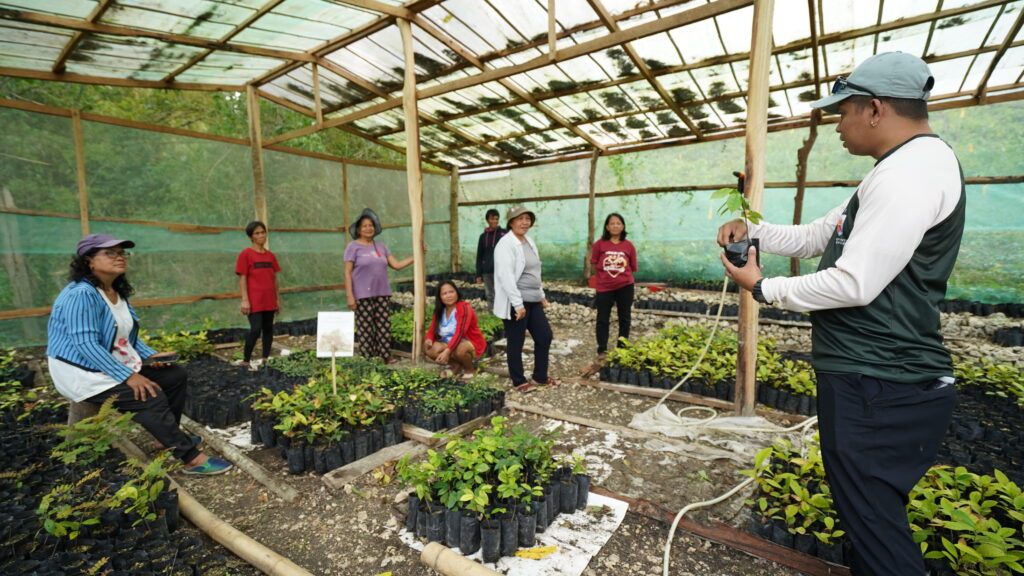
Here’s the truth: no single group can do this alone. The government, NGOs, businesses, and individuals all have a role to play. In Cebu, reforestation succeeds when tree-growing is rooted in love, learning, and shared responsibility. With strong programs supporting farmers and fisherfolk in growing trees, they see themselves as protectors, not destroyers.
Joining these efforts doesn’t just help the environment, it helps ensure that our families, neighbors, and future generations live in safer, more resilient communities.
The Greener Cebu Program
One of RAFI’s flagship initiatives is Greener Cebu, a tree-growing program that strengthens national disaster risk reduction efforts. In partnership with local communities, farmers, fisherfolk, LGUs, and the DENR, the program focuses on rehabilitating degraded forests and safeguarding existing ones. By restoring ecosystems and expanding forest cover, Greener Cebu not only improves environmental quality but also helps protect vulnerable communities from floods, landslides, and soil erosion.
Conclusion
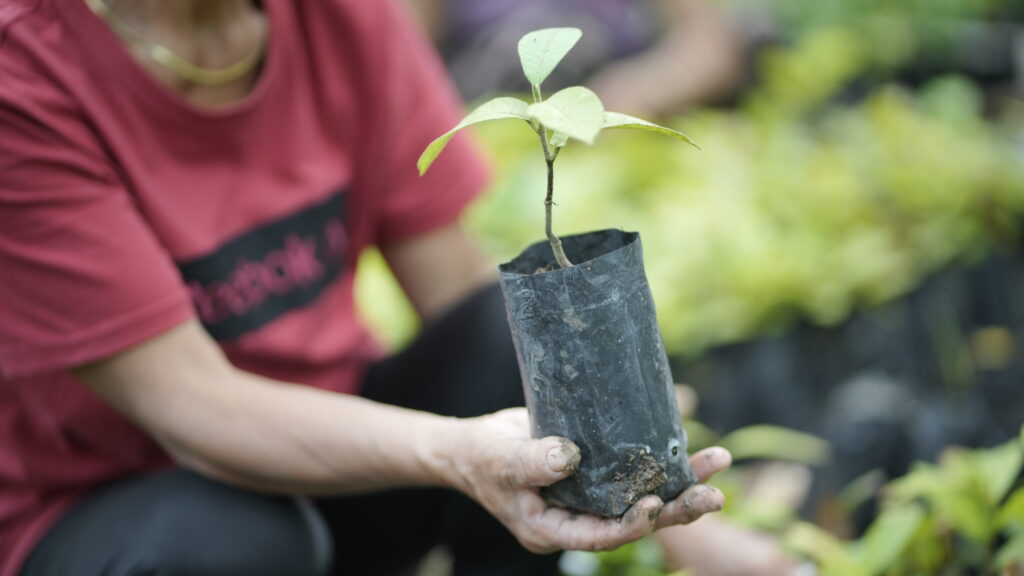
Reforestation is more than an environmental task—it’s an act of protection. Every tree planted strengthen our defenses against floods, strengthens our defense against floods, landslides, and storms. Every forest restored brings us one step closer to a safer, greener, and more resilient Cebu.
Frequently Asked Questions (FAQs)
What exactly is reforestation and how can it actually prepare us for disasters?
I hear “resilience” a lot. How does reforestation build that?
Can trees really lessen the impact of typhoons?
Why do people say trees prevent soil erosion?
Is planting a tree the same thing as reforestation?
Are there economic benefits, or is it just about the environment?
Whose responsibility is reforestation, anyway?
What can I personally do to help?
Why is reforestation such an urgent issue in the Philippines?
🌱 The call is simple: join a reforestation effort, plant a tree, or support local programs. Together, we can grow forests that stand as our first line of defense against disasters.