The storm has passed, but its shadow lingers in the communities that it devastated.
The streets of Liloan still bear the scars of last week’s disaster. Mud-streaked walls, shattered roofs, and the lingering smell of dirty floodwaters tell a story of survival. But as families sweep away debris and patch up their homes, another challenge looms.
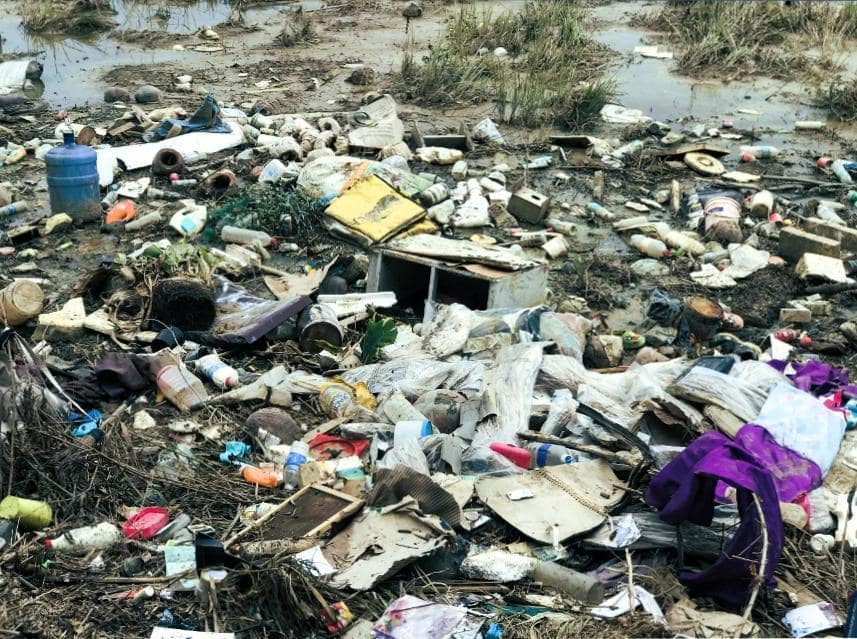
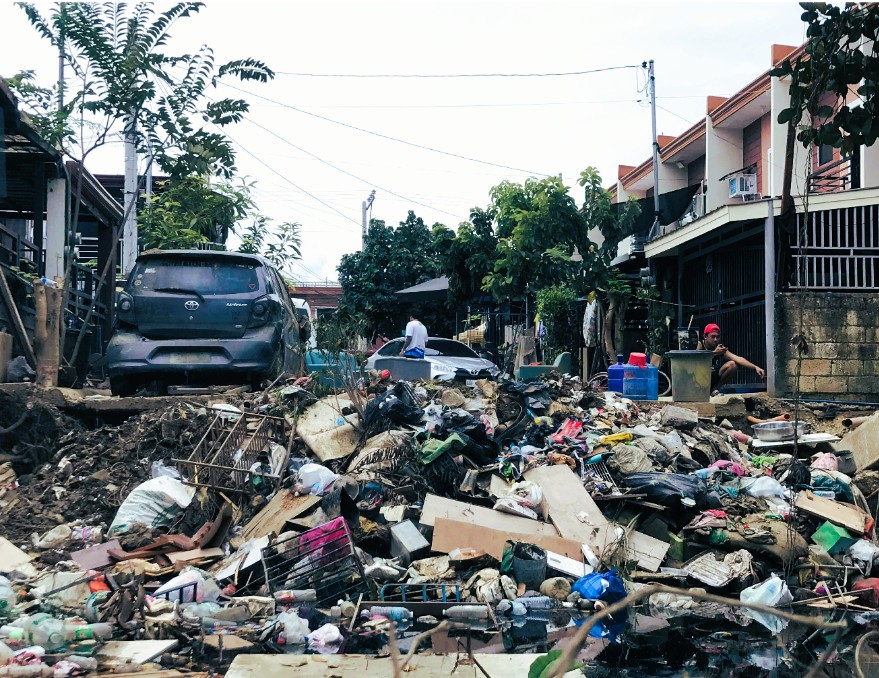
Walking through the Villa Azalea in Cotcot, Liloan, one can see piles of garbage stacked along the roadside. Plastic bags and containers, broken furniture, and soggy clothes are strewn among metal and wood components of destroyed houses.
“We clean every day, but the trash seems endless,” shared Ate Arlene, a resident in the area, as she sorted through what was left of her belongings. “It’s doubly hard because we don’t know where to dispose of all this.”
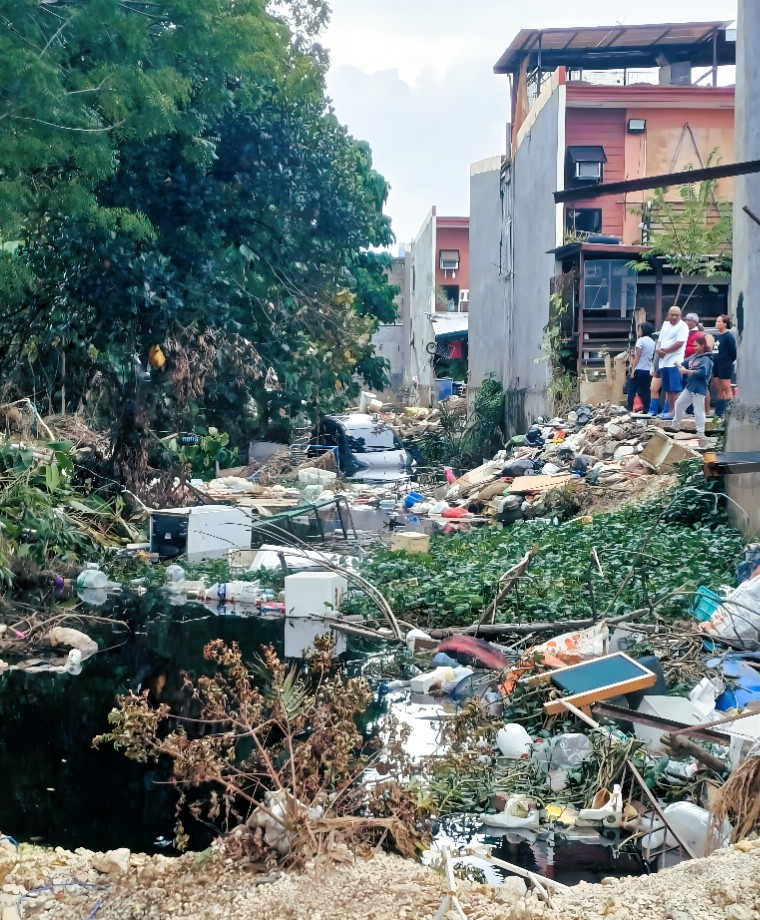
Worsening the stench is the fact that many shrubs and shady trees have been uprooted or stripped bare. The lack of shade has contributed to hotter temperatures. A resident reflects on different possible outcomes had there been more trees.
“If there were more trees in the mountains, maybe the water wouldn’t have been that big and that strong,” said Kuya Melchor, a local leader, pointing to a patch of eroded soil.
The disaster didn’t just damage homes; it exposed vulnerabilities. Without proper waste management and forest cover, the Cebuano communities face not just flooding but also health risks and a hotter, less livable environment.
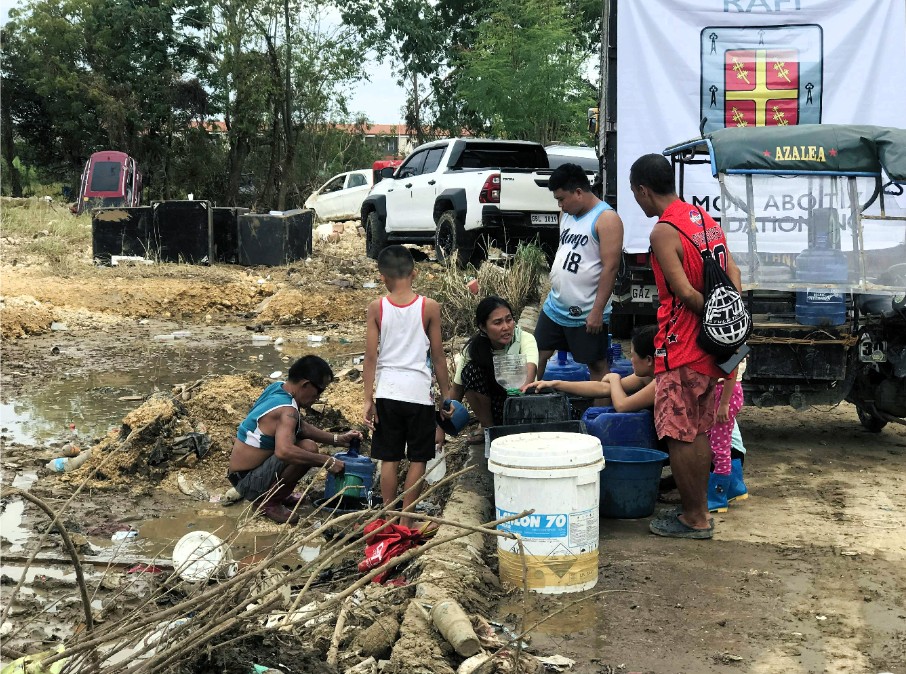
Even weeks after the typhoon, its remnants remain visible. The Ramon Aboitiz Foundation, Inc. (RAFI) reached Villa Azalea to provide residents with immediate relief. We saw that while aid has begun to arrive, the environment remains in disarray. The realities on the ground show the scale of the destruction. Now more than ever, the focus is on restoring homes, habitats, and communities.
What Can We Do
What happened to Villa Azalea could happen to other communities lying in the floodplains of Cebu. Thus, every one of us should work towards a greener environment and stronger disaster resilience.
Here are some ways that we can help:
- Join community clean-up drives or donate garbage bags or sacks for proper waste disposal.
- Support tree-planting initiatives to bring back natural protection against floods and heat.
- Advocate for sustainable recovery plans that prioritize both people and the planet.
Every action counts. Whether you’re an individual, an organization, or a local leader, your effort can turn these circumstances into a turning point for a greener and safer Cebu. Don’t wait for the next storm. Start restoring nature now.